Contents:
Complete Guide to Professional Car Parts Regeneration – Process, Benefits & Professional Standards
Professional car parts regeneration is no longer just an alternative to buying new components — it has become a professional, cost-effective, and environmentally responsible solution trusted by workshops and restoration enthusiasts alike.
Whether you operate a repair facility or rebuild vehicles step by step in your home garage, understanding how professional regeneration works helps you make smarter, more profitable decisions.
At Regentec, regeneration means restoring performance, durability, and reliability — without compromise.
What Is Professional Car Parts Regeneration?
The goal is not temporary repair — but long-term reliability.
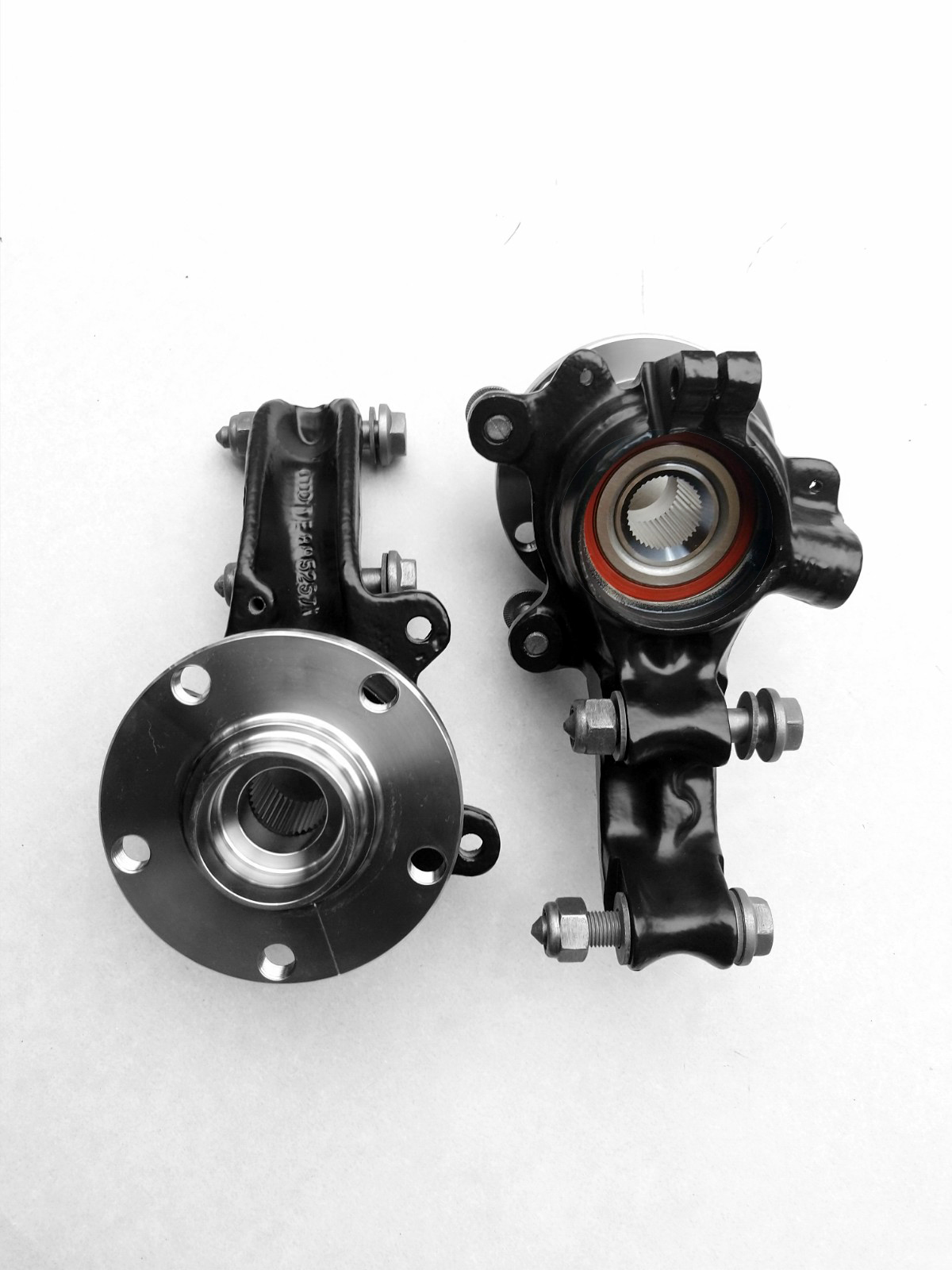
Professional car parts regeneration is the process of restoring worn or damaged components to their original functional standards. Unlike basic repair, professional regeneration involves:
- Complete disassembly
- Detailed inspection
- Precision machining
- Surface preparation
- Protective coating (such as galvanization or zinc plating)
- Quality control testing
Why Regenerate Instead of Replace?
For both workshops and home restorers, the decision often comes down to cost, availability, and quality.
- Lower cost compared to new OEM parts
- Availability for discontinued or classic components
- Industrial-grade durability
- Reduced environmental impact
- Faster turnaround in many cases
For workshops, regeneration improves margins.
For enthusiasts, it makes restoration projects possible without exceeding budget.
The Professional Regeneration Process – Step by Step
1. Inspection & Diagnostics
Each component is evaluated for structural integrity, wear, cracks, and deformation. Only viable parts proceed to regeneration.
2. Disassembly & Cleaning
Components are fully dismantled and cleaned using industrial methods such as chemical degreasing and abrasive surface treatment.
3. Precision Restoration
Worn surfaces are machined or rebuilt to restore original tolerances. This stage determines performance accuracy.
4. Surface Protection
Corrosion protection is applied through processes like:
- Zinc plating
- Nickel plating
- Galvanization
- Industrial coatings
This ensures long-term durability under real driving conditions.
5. Quality Control
Each regenerated component undergoes inspection to verify structural and dimensional compliance.
Professional standards separate true regeneration from simple repair.
Regeneration for Professional Workshops
For workshops, regeneration is more than a technical process — it is a business decision.
Outsourcing regeneration to a professional partner like Regentec allows workshops to scale operations without increasing overhead.
Benefits include:
- Higher profit margins
- Reduced comeback rates
- Reliable supply for hard-to-find components
- Increased customer trust
Regeneration for Home Restoration Enthusiasts
If you restore vehicles in your own garage, professional regeneration gives you access to industrial-grade quality without industrial equipment.Instead of risking poor coatings, improper tolerances, or short-lived fixes, you receive components prepared under controlled conditions.
This means:
- Easier installation
- Better safety
- Longer lifespan
- Professional finish
You focus on rebuilding — we ensure the components are built to last.
Why Surface Treatment Determines Longevity
Many restoration failures are not caused by mechanical issues — but by improper surface protection. Without proper galvanization or zinc coating, metal components quickly suffer from corrosion.
This is where durability is decided.
Professional regeneration includes:
- Correct surface preparation
- Controlled electroplating
- Industrial coating thickness standards
Industrial Standards vs Basic Repair
Not all regeneration services are equal.
Professional car parts regeneration should include:
- Documented processes
- Controlled machining tolerances
- Verified coating quality
- Repeatable standards
At Regentec, every component is treated as part of a larger system — not just a standalone repair.
Environmental and Economic Impact
Regeneration also contributes to sustainability.
For many businesses and enthusiasts, sustainability is becoming an additional decision factor.
By restoring instead of replacing:
- Raw material consumption is reduced
- Energy usage is lower
- Waste is minimized
- Valuable OEM components remain in circulation
Choosing the Right Regeneration Partner
Whether you manage a workshop or restore vehicles at home, choosing the right partner determines long-term reliability.
Look for:
- Transparent process
- Industrial equipment
- Clear quality standards
- Experience in automotive components
- Consistent turnaround times
Professional regeneration is an investment — and it should deliver measurable results.
Conclusion
Professional car parts regeneration is a strategic solution that combines cost efficiency, durability, and environmental responsibility.
For workshops, it improves profitability and operational stability.
For enthusiasts, it enables high-quality restoration projects without compromise.
At Regentec, regeneration is not a shortcut — it is a controlled, industrial-grade process designed to restore performance and extend component lifespan.